John Humphrys: The Fearless Welsh Broadcaster Who Defined Tough British Journalism
A powerful look at the life, career, BBC legacy, Mastermind years, and enduring public voice of John Humphrys

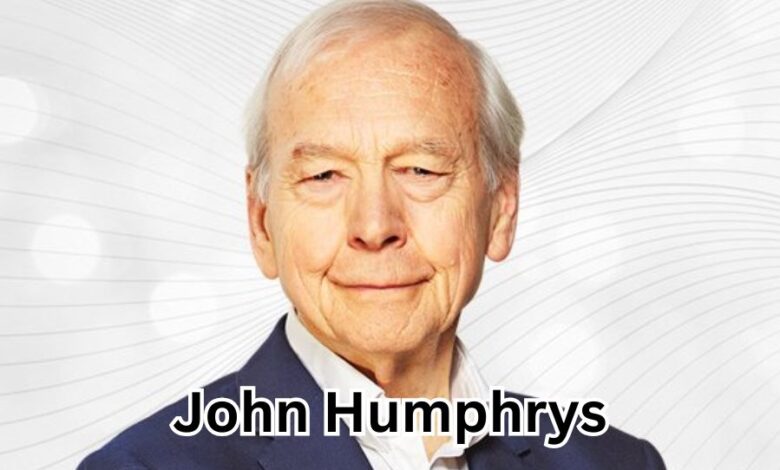
Introduction
John Humphrys is one of the most respected and instantly recognizable figures in British journalism. Born Desmond John Humphrys on 17 August 1943 in Cardiff, Wales, he built a remarkable broadcasting career that lasted for more than six decades. His name is closely linked with BBC Radio 4’s Today program, BBC television news, Mastermind, foreign reporting, political interviews, and a fearless style of questioning that made him both admired and debated.
For many listeners, John Humphrys became the sound of serious morning journalism. His interviews were sharp, direct, and often uncomfortable for powerful guests. He did not become famous through celebrity glamour or soft entertainment. He became famous for asking difficult questions and expecting clear answers. That quality turned him into one of the defining British broadcasters of his generation.
Quick Bio
| Field | Details |
|---|
| Full Name | Desmond John Humphrys |
| Professional Name | John Humphrys |
| Date of Birth | 17 August 1943 |
| Birthplace | Cardiff, Wales |
| Nationality | Welsh / British |
| Profession | Journalist, Broadcaster, Author, Presenter |
| Best Known For | BBC Radio 4 Today, BBC Nine O’Clock News, Mastermind |
| Career Start | Began as a junior reporter in Wales |
| Major BBC Role | Presenter of BBC Radio 4’s Today programme from 1987 to 2019 |
| Quiz Show Role | Hosted Mastermind from 2003 to 2021 |
| Known Style | Tough, direct, persistent political interviewing |
| Recent Work | Classic FM presenter, columnist, and podcast host |
Who Is John Humphrys?
John Humphrys is a Welsh journalist, broadcaster, author, and presenter best known for his long career with the BBC. His public image was shaped by his work on Radio 4’s Today program, where he interviewed politicians, prime ministers, campaigners, experts, and public figures for more than 30 years.
He is also widely remembered as the host of BBC Two’s Mastermind, where his calm but commanding presence suited one of Britain’s most famous quiz shows. Beyond radio and television, Humphrys has written books, presented classical music programs, and continued to comment on public life after leaving his biggest BBC roles.
Early Life in Cardiff
John Humphrys was born and raised in Cardiff, Wales. His background was not one of privilege, and this helped shape the grounded, direct style that later became central to his journalism. He entered the media world through local reporting, learning the craft from the ground up rather than through a polished media route.
His early experience gave him a strong reporter’s instinct. He understood that journalism begins with observing, listening, asking, and verifying. That foundation stayed with him throughout his career, whether he was standing at the scene of a tragedy, reporting from abroad, reading national news, or challenging a cabinet minister live on air.
John Humphrys and His Early Journalism Career
Humphrys began as a junior reporter in Wales and quickly showed the drive that would carry him into national broadcasting. One of the most significant moments of his early career came in 1966, when he reported from the Aberfan disaster. The tragedy, in which a coal waste tip collapsed onto a Welsh school and surrounding homes, became one of the darkest days in modern Welsh history.
For a young journalist, covering Aberfan was not simply a professional assignment. It was a deeply human event, filled with grief, shock, and responsibility. Humphrys’ presence there became part of his early reputation as a reporter who could handle serious news with urgency and seriousness.
Becoming a BBC Foreign Correspondent
John Humphrys later became one of the BBC’s youngest foreign correspondents. His career took him beyond Britain and placed him close to major world events. As the BBC’s first full-time television correspondent in the United States, he reported during a dramatic period in American politics.
His coverage of the Watergate scandal and Richard Nixon’s resignation in 1974 became an important part of his journalistic story. These events demanded fast, accurate, and confident reporting. Humphrys was working in an era when television news carried enormous authority, and foreign correspondents were trusted to explain complex events to audiences at home.
Watergate and a Lesson in Live Broadcasting
Humphrys later reflected on his time covering Nixon’s resignation with unusual honesty. He admitted that during that period, he once appeared on air after a heavy lunch and was noticeably affected by alcohol. Rather than turning the story into self-glorifying nostalgia, he treated it as a regrettable episode and said it helped change his relationship with drinking.
That admission fits the wider pattern of his public voice. Humphrys has often been direct not only with others, but also with himself. His willingness to speak plainly about personal mistakes adds another layer to his image as a broadcaster who valued truth over polished performance.
BBC News and the Nine O’Clock Years
After foreign reporting, John Humphrys returned to Britain and became a major presence on BBC television news. He served as a diplomatic correspondent and later became the main anchor of the BBC Nine O’Clock News from 1981 to 1987.
This was a period when evening television news shaped public understanding of national and international events. Humphrys’ serious tone and controlled delivery suited the BBC newsroom’s authority. His move from correspondent to anchor showed his range. He could report from the field, explain global events, and present major stories to the nation from the studio.
A Broadcaster Built on Authority
Humphrys did not rely on theatrical emotion. His broadcasting strength came from clarity, discipline, and firmness. He represented a style of journalism that valued precision over personality. Even when his later interviews became famous for their pressure and intensity, the basis of his work remained old-fashioned reporting discipline.
John Humphrys on BBC Radio 4 Today
John Humphrys joined BBC Radio 4’s Today program in 1987 and remained one of its most important presenters until 2019. This role made him a daily presence in British public life. For millions of listeners, his voice became associated with morning news, political accountability, and serious national debate.
Today was not just another radio program. It was a platform that politicians feared and respected. A difficult interview on Today could dominate the news agenda for the rest of the day. Humphrys understood that power, and he used it with relentless focus.
His Famous Interviewing Style
Humphrys became known for a tough, persistent, and direct interviewing style. He often interrupted evasive answers, returned to unanswered questions, and pushed guests to move beyond prepared talking points. Some critics considered him too aggressive. Supporters believed he was doing exactly what a public-service journalist should do.
His method reflected a simple belief: powerful people should be challenged. In an age of media training and political spin, Humphrys saw hesitation, deflection, and vague answers as signals to press harder. That made his interviews memorable and sometimes uncomfortable, but also valuable.
Why His Questions Mattered
The strength of John Humphrys’ journalism was not only in being tough. It was in understanding what the public needed to know. His best interviews were not personal attacks. They were attempts to cut through language that avoided responsibility. That is why his legacy on Today remains so strong.
John Humphrys and Mastermind
In 2003, John Humphrys became the host of Mastermind, one of the most famous quiz shows in British television history. He presented the program until 2021, bringing seriousness, pace, and authority to the famous black chair format.
Mastermind required a presenter who could be firm without becoming distracting. Humphrys suited the role perfectly. His calm delivery, sharp timing, and controlled presence helped maintain the show’s classic identity. Across 18 years, he became closely associated with the modern era of Mastermind.
A Different Kind of Public Recognition
For radio listeners, Humphrys was the political interrogator. For television viewers, he was the quizmaster, asking specialist and general-knowledge questions under pressure. This second role broadened his public recognition and showed that his authority could extend beyond traditional news broadcasting.
Books, Memoir, and Later Work
John Humphrys has also written several books, including his 2019 memoir, A Day Like Today. In his writing, he reflected on his upbringing, his reporting life, the BBC, politics, and the changes he witnessed across British society.
After leaving his major BBC platforms, Humphrys continued working in the media. His later projects included classical music broadcasting on Classic FM, column writing, and podcasting. These roles showed that his public voice remained active even after the end of his Today and Mastermind eras.
The Odd Couple Podcast
In 2026, Humphrys appeared in The Odd Couple podcast with journalist Matthew Norman. The format allowed him to speak in a more conversational style while still drawing on decades of political, media, and cultural experience. It also introduced his opinions and memories to audiences beyond traditional BBC settings.
John Humphrys’ Legacy in British Media
John Humphrys’ legacy rests on courage, discipline, and independence. He belonged to a generation of journalists who believed that public broadcasting had a duty to challenge authority. His career moved through local newspapers, major tragedies, foreign reporting, national television news, political radio, quiz television, books, music programming, and podcasting.
He was never a soft interviewer, and he was not universally loved. That is part of his importance. Serious journalism is not designed to please everyone. Humphrys proved that a broadcaster could remain influential by being prepared, persistent, and unwilling to accept weak answers.
Conclusion
John Humphrys remains a major name in British journalism because his career represents more than longevity. It represents a particular standard of public questioning. From Cardiff to the BBC, from Aberfan to Watergate, from Today to Mastermind, he built a reputation based on directness and seriousness.
His voice, style, and interviews shaped British broadcasting for decades. Whether admired for holding power to account or criticized for being too forceful, John Humphrys left a mark that few journalists can match. His career is a reminder that the strongest broadcasters are not always the smoothest voices, but the ones brave enough to ask the question others avoid.
(FAQs)
Who is John Humphrys?
John Humphrys is a Welsh journalist, broadcaster, author, and presenter best known for BBC Radio 4’s Today program, BBC television news, and Mastermind.
What is John Humphrys famous for?
John Humphrys is famous for his tough interviewing style, his long role on the Today program, his work as a BBC news presenter, and his 18-year tenure as host of Mastermind.
When was John Humphrys born?
John Humphrys was born on 17 August 1943 in Cardiff, Wales.
How long did John Humphrys present Today?
John Humphrys presented BBC Radio 4’s Today program from 1987 until 2019, making him one of the program’s most recognizable voices.
Did John Humphrys host Mastermind?
Yes, John Humphrys hosted Mastermind from 2003 until 2021. His calm and authoritative style became a defining part of the show’s modern era.
What books has John Humphrys written?
John Humphrys has written several books, including his memoir A Day Like Today, published in 2019.
What is John Humphrys doing now?
After leaving Today and Mastermind, John Humphrys continued public work through broadcasting, writing, classical music presenting, and podcasting.
Why is John Humphrys important in British journalism?
John Humphrys is important because he helped define tough political interviewing in modern British broadcasting. His career showed the value of persistence, preparation, and public accountability.