Jason Atherton: The Inspiring Journey of a Michelin-Starred Chef and Global Restaurant Entrepreneur

Introduction
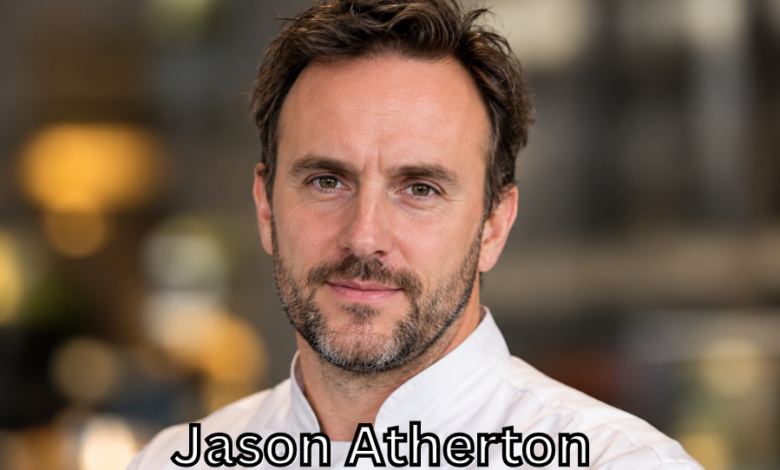
Jason Atherton is one of the most respected British chefs and restaurateurs, celebrated for his exceptional culinary skills, innovative restaurant concepts, and international success. Over the years, he has transformed his passion for cooking into a remarkable career that combines fine dining, business leadership, creativity, and hospitality. From working in some of the world’s most demanding professional kitchens to establishing his own restaurant group, his journey demonstrates the importance of determination, patience, and continuous improvement. He has worked alongside internationally recognised chefs, including Gordon Ramsay, Marco Pierre White, Pierre Koffmann, Nico Ladenis, and Ferran Adrià, gaining valuable experience that helped shape his distinctive approach to modern gastronomy. His achievements extend beyond preparing sophisticated dishes because he has also demonstrated an impressive ability to develop restaurants with individual identities and memorable dining experiences. Today, Jason Atherton is recognised as an influential figure in contemporary British hospitality, admired for his professional discipline, entrepreneurial thinking, and commitment to delivering outstanding food.
Who Is Jason Atherton?
Jason Atherton is a British chef, restaurateur, and television personality known for creating successful dining destinations in the United Kingdom and international markets. Born on September 6, 1971, in Sheffield, England, he developed an interest in cooking at a relatively young age. His professional journey began with a determination to learn the culinary industry from the ground up rather than simply pursuing an ordinary career. He gradually established himself through hard work, practical experience, and opportunities to learn from established professionals. Unlike chefs who focus exclusively on the creative side of cooking, Atherton developed an interest in the complete restaurant experience, including management, service, presentation, and commercial strategy. His career eventually evolved into an international hospitality business, allowing him to introduce different restaurant concepts to customers in several countries. His reputation reflects a combination of traditional culinary foundations and modern approaches to dining.
Early Life and Interest in Cooking
Growing up in England, Atherton developed an appreciation for food and hospitality that eventually influenced his professional ambitions. He spent much of his childhood in Skegness, Lincolnshire, where his family environment and early experiences helped introduce him to the hospitality industry. His mother had connections to the hotel business, giving him an opportunity to understand how restaurants and accommodation services operated. During his school years, he became increasingly interested in cooking and recognised that working in a professional kitchen could provide a rewarding future.
At the age of 16, Atherton made a significant decision to pursue his ambitions in London. Leaving home at such a young age was a challenging step, but he believed that the capital would offer better opportunities to develop his culinary abilities. His early experiences were not glamorous. Like many young chefs, he had to accept basic responsibilities, work long hours, and demonstrate that he could handle the pressure of a professional kitchen. These experiences helped him develop patience, discipline, and respect for every member of a restaurant team. Rather than expecting immediate recognition, he concentrated on learning the fundamentals that would eventually support his successful career.
Professional Training and Learning From Famous Chefs
One of the most important stages in Jason Atherton’s career was his opportunity to work alongside some of the most respected names in international gastronomy. He gained experience in demanding kitchens associated with chefs such as Pierre Koffmann, Marco Pierre White, and Nico Ladenis. Each professional environment exposed him to different cooking philosophies, kitchen standards, and approaches to developing memorable dishes.
Working in these kitchens required more than technical ability. Atherton had to understand organisation, consistency, timing, ingredient quality, and the importance of teamwork. These experiences helped him appreciate that excellent restaurant food depends on preparation and discipline as much as creativity. He gradually developed the confidence to take on greater responsibilities and contribute his own ideas.
Another important milestone came in 1998 when he travelled to Spain to work at El Bulli, the internationally celebrated restaurant led by Ferran Adrià. His experience there introduced him to experimental cooking and new approaches to flavour, texture, and presentation. The opportunity expanded his understanding of what modern gastronomy could achieve. It also encouraged him to explore creativity while maintaining the technical standards he had developed through classical training.
Working With Gordon Ramsay
A major turning point in Atherton’s professional life came when he joined Gordon Ramsay’s restaurant group in 2001. This opportunity introduced him to a larger hospitality operation and provided valuable experience in managing restaurants beyond the kitchen itself. He initially worked in Dubai at Verre before returning to the United Kingdom to take on further responsibilities.
In 2005, Atherton became closely associated with the opening of Maze, a restaurant in London’s Mayfair. The establishment became an important part of the group’s international expansion and helped introduce his culinary ideas to a wider audience. Maze received a Michelin star within its first year, establishing itself as a significant success in London’s competitive dining scene.
His involvement with Maze also helped him understand how a restaurant concept could develop into a recognisable international brand. He gained experience in menu development, team leadership, operational planning, and maintaining quality across different locations. These lessons later became valuable when he decided to establish his own hospitality company.
Leaving Gordon Ramsay and Building His Own Business
After several years of professional development, Atherton decided that it was time to pursue his own ambitions. In 2010, he left Gordon Ramsay Holdings and began developing an independent restaurant business. This decision represented an important change because he was moving from working within an established hospitality organisation to becoming responsible for his own company, creative direction, and commercial decisions.
His first independent international restaurant venture, Table No. 1, opened in Shanghai in 2010. The project demonstrated his willingness to explore opportunities beyond the British restaurant market. It also provided a foundation for the next major stage of his career.
In 2011, he opened Pollen Street Social in London’s Mayfair. The restaurant became the flagship establishment of his independent business and quickly attracted attention from food critics and customers. Within approximately six months, it received a prestigious Michelin star. This achievement confirmed that Atherton could establish a successful restaurant under his own name rather than relying on the reputation of another chef or hospitality group.
Pollen Street Social and Michelin-Starred Recognition
Pollen Street Social became one of the defining achievements of Jason Atherton’s career. The restaurant combined sophisticated cooking with a welcoming atmosphere, creating a dining experience that appealed to guests looking for quality without unnecessary formality. Its approach reflected Atherton’s belief that fine dining should offer creativity, excellent service, and genuine enjoyment.
The Michelin recognition was particularly important because the restaurant had achieved such success shortly after opening. Maintaining high standards in a competitive environment required an experienced team, careful ingredient selection, and consistent kitchen management. Atherton’s leadership helped establish the restaurant as a respected destination within London’s food scene.
The success of Pollen Street Social also strengthened his confidence as an entrepreneur. It demonstrated that his culinary philosophy could become the foundation of a sustainable restaurant business. Rather than treating the Michelin star as the final destination, he continued exploring new concepts and opportunities.
The Social Company and International Restaurant Expansion
Following the success of his flagship restaurant, Atherton expanded his hospitality business through The Social Company, developing a collection of restaurants and bars with different identities. His approach was not simply to reproduce one successful restaurant in multiple locations. Instead, he aimed to create establishments that reflected their surroundings, audiences, and individual culinary personalities.
His restaurant portfolio has included well-known London destinations such as City Social, Social Eating House, Little Social, and Berners Tavern. These establishments demonstrate his interest in different styles of hospitality, ranging from contemporary fine dining to relaxed social restaurants and distinctive bars.
His international ambitions also took him to destinations including Dubai, Shanghai, Hong Kong, the Philippines, and Switzerland. Opening restaurants in different countries required an understanding of local customers, ingredients, business partnerships, and cultural expectations. Atherton’s international experience allowed him to combine his British culinary background with influences from different dining markets.
This expansion helped establish him as more than a successful chef. He became a recognised international restaurateur capable of developing concepts, building teams, and overseeing complex hospitality projects.
Jason Atherton’s Cooking Style and Culinary Philosophy
The cooking style of Jason Atherton is influenced by classical European techniques, contemporary creativity, and a strong appreciation for quality ingredients. His dishes often demonstrate careful attention to flavour combinations, texture, balance, and presentation. However, his approach is not based on appearance alone. He understands that an impressive restaurant experience must deliver satisfying food that guests genuinely enjoy.
His professional training taught him the importance of consistency and technical accuracy. His experience at El Bulli encouraged him to think creatively and explore different ways of presenting familiar ingredients. These influences helped him develop a culinary identity that balances tradition with experimentation.
Another important part of his philosophy is the relationship between food and hospitality. He recognises that customers remember more than individual dishes. Service, atmosphere, restaurant design, and the attitude of the team all contribute to the overall experience. This broader understanding has helped him create restaurants that appeal to different types of diners.
Television Appearances and Cookbooks
In addition to his restaurant career, Atherton has developed a public profile through television appearances and culinary publishing. He has participated in programmes such as Great British Menu, where professional chefs demonstrate their creativity and compete through carefully developed dishes.
His television work introduced his personality and cooking approach to audiences who might never visit his restaurants. It also helped increase public interest in contemporary British food and the professional challenges involved in running successful kitchens.
Atherton has also written several cookbooks, sharing recipes, techniques, and ideas inspired by his restaurant experience. These publications provide readers with an opportunity to understand his approach to ingredients, preparation, and presentation. Through books and television, he has extended his influence beyond the restaurant industry and contributed to the wider culinary conversation.
Personal Life, Marriage, and Family
Although Jason Atherton has built a public career, he generally keeps many aspects of his personal life away from the spotlight. He is married to Irha Atherton, and the couple have children together. His family life provides an important dimension to his identity outside the demanding world of professional cooking and international restaurant management.
Running restaurants in different countries involves considerable travel, long working hours, and constant attention to business operations. Balancing these responsibilities with family commitments can be challenging. Nevertheless, Atherton has spoken publicly about the importance of family experiences and travelling together.
He and his wife have also supported charitable organisations and causes. His involvement with charitable initiatives reflects an understanding that successful hospitality businesses can contribute positively to communities and support people facing difficult circumstances.
Business Leadership and Professional Achievements
One of the most impressive aspects of Atherton’s career is his ability to combine culinary creativity with business leadership. Operating successful restaurants requires careful financial planning, recruitment, training, marketing, and quality control. A restaurant may have an excellent menu, but its long-term success also depends on how effectively the entire operation functions.
Atherton’s experience across different international markets has helped him develop a practical understanding of these challenges. He has worked with business partners, hospitality teams, hotel operators, and creative professionals to establish restaurants with individual identities. His approach demonstrates that strong restaurant brands are built through more than a famous chef’s name.
His Michelin recognition, international restaurant portfolio, cookbooks, television appearances, and contributions to hospitality have made him an influential figure in modern British gastronomy. His career also illustrates how professional ambition can develop into a broader business vision when supported by experience and consistent effort.
What Makes Jason Atherton an Influential Chef?
Jason Atherton stands out because he understands both the artistic and practical sides of the restaurant industry. His cooking reflects technical training and creativity, while his business achievements demonstrate an ability to recognise opportunities and build lasting hospitality concepts.
He has also shown that chefs do not necessarily have to remain limited to one kitchen or one restaurant. Through leadership and entrepreneurship, they can influence restaurant culture, develop international businesses, and introduce new dining experiences to different audiences.
His willingness to keep exploring new ideas is another important part of his professional identity. Rather than depending entirely on past achievements, he continues to develop restaurant concepts and adapt to changing customer expectations. This combination of ambition, experience, and creative thinking makes his career an interesting example for aspiring chefs and hospitality entrepreneurs.
Conclusion
The journey of Jason Atherton is a remarkable example of how passion, discipline, and professional ambition can create lasting success in the culinary world. From leaving home at a young age to learn professional cooking to working with internationally respected chefs and establishing a successful restaurant business, he has consistently demonstrated determination and a willingness to take calculated risks. His achievements with Maze, Pollen Street Social, and The Social Company have helped shape his reputation as an influential British chef and international restaurateur. Beyond Michelin recognition and restaurant expansion, his story highlights the importance of teamwork, creativity, leadership, and understanding the complete dining experience. Jason Atherton continues to represent the modern chef-restaurateur: someone who combines culinary excellence with business intelligence while remaining connected to the craft that started his journey